When an application becomes a daily obstacle.
Your team may avoid certain screens, maintain a second spreadsheet, or depend on a developer who is no longer available. Customers may struggle to finish a task on their phones. New features may feel harder to add than they should.
Those are reasons to investigate. A full rebuild is one possible outcome; targeted fixes, a better interface, or a new integration may address the business problem with less disruption.
Understand the system before choosing the work.
We start with access to the code, hosting, database, dependencies, and the people who use the application. We identify the critical workflows, known failures, ownership questions, and information that must be preserved.
| Approach | When to consider it |
|---|---|
| Improve the current app | The foundation is usable and the problems are concentrated in a few workflows. |
| Replace a component | One part is limiting the system, but other parts remain useful. |
| Plan a rebuild | The business needs have changed substantially or the existing foundation cannot reasonably support them. |
This assessment creates a basis for scope and an estimate. We cannot promise to take over every framework or legacy system; technical fit needs to be established first.
Plan for the people who still need to work.
A transition plan should account for existing records, accounts and permissions, integrations, and any public URLs that need to remain reachable. Where data migration is required, we define mapping, test representative records, and agree how the final cutover will be checked.
If the application has public pages, your search visibility also matters. John’s SEO and product background helps bring URL continuity, content, and acquisition paths into the planning conversation.
An operating-product perspective.
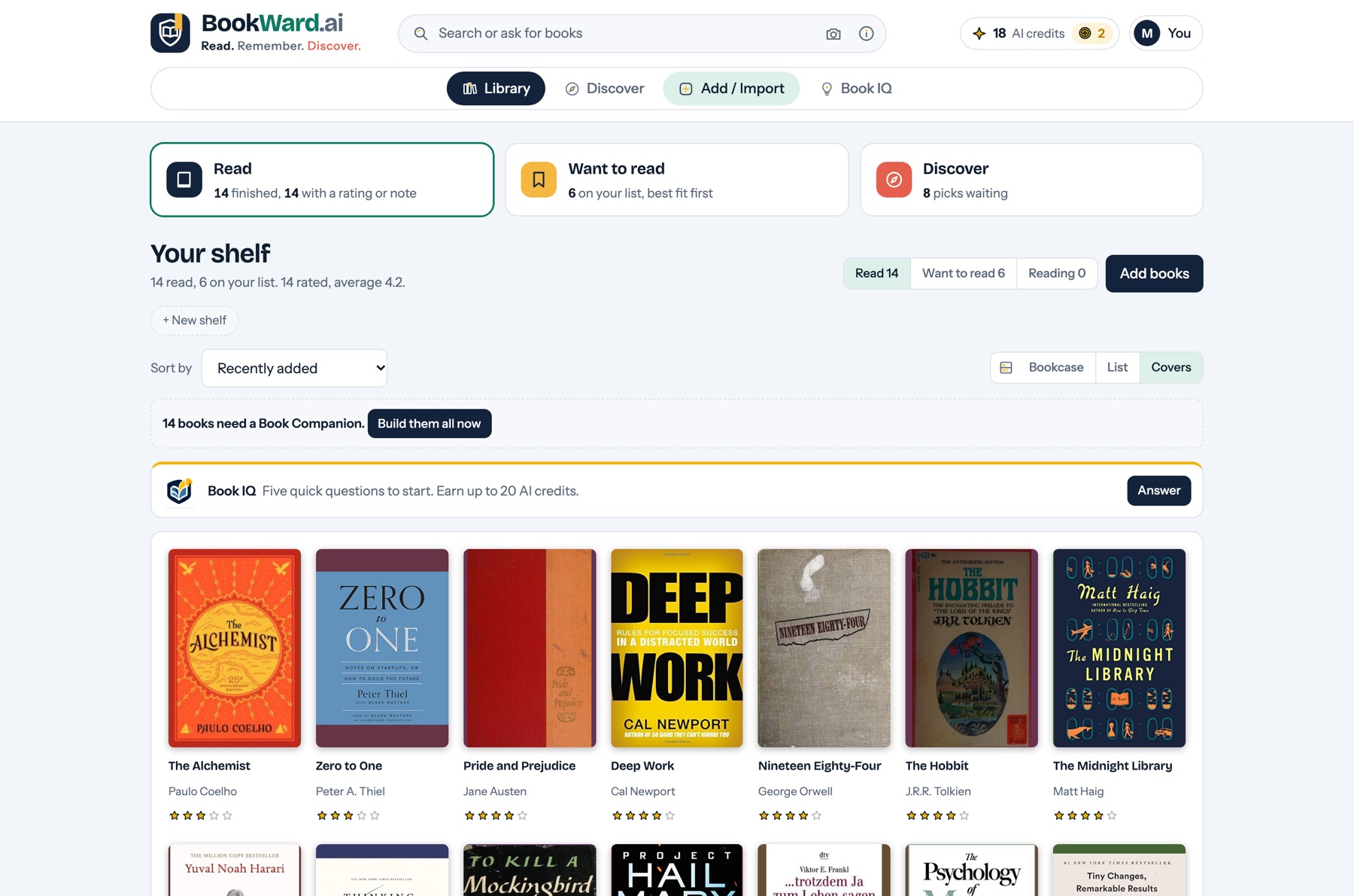
The PharettaLabs portfolio shows products with accounts, databases, integrations, and evolving user needs. BookWard’s catalog work illustrates why record quality, duplicate handling, and import behavior matter to a usable application.
These examples demonstrate relevant product and data work. Your existing system needs its own assessment, based on its technology, data, and business requirements.
Questions worth answering early.
Can you take over an application another developer built?
Potentially. We need to review the technology, source access, licenses, hosting, and condition of the application before agreeing to take responsibility.
Can we keep our existing data?
Preserving required data is a discovery priority. Feasibility and migration effort depend on access, format, quality, and how the new application will use it.
How do we decide whether a rebuild is worth it?
Compare the business impact of the current problems with the cost and risk of targeted improvements, partial replacement, and a full rebuild. The assessment should make that decision clearer.