The warning signs are in the work around it.
The spreadsheet itself might be fine. The problem is what people now need to do around it: ask who changed a row, track attachments somewhere else, copy information into another tool, or chase approvals in email.
- Different people need different access to records.
- Updates need an owner, a status, and a visible next action.
- Customers need a way to submit information or check progress.
- Several spreadsheets represent parts of the same workflow.
Keep the spreadsheet when it still earns its place.
A shared sheet can be the right answer for a small process with a clear owner and limited complexity. First consider whether better structure, an existing tool, or a simple integration addresses the problem.
A custom application becomes worth considering when the workflow is important enough to justify ongoing software costs and the available tools create material friction. The right comparison includes building, migration, hosting, maintenance, and the time required to change how people work.
Start with one process, end to end.
An illustrative first version could let a service business accept a customer request, assign it to a team member, track status, and keep documents with the record. Permissions would determine what staff and customers can see.
That is a scope example, not a shipped client project. The actual first version should follow your workflow. Payments, advanced reporting, complex scheduling, and additional integrations may belong in later phases.
Preserve the meaning, not just the rows.
Existing data often contains duplicate entries, free-text categories, hidden formulas, and knowledge that only a long-time employee can explain. We review those details before defining a new data model.
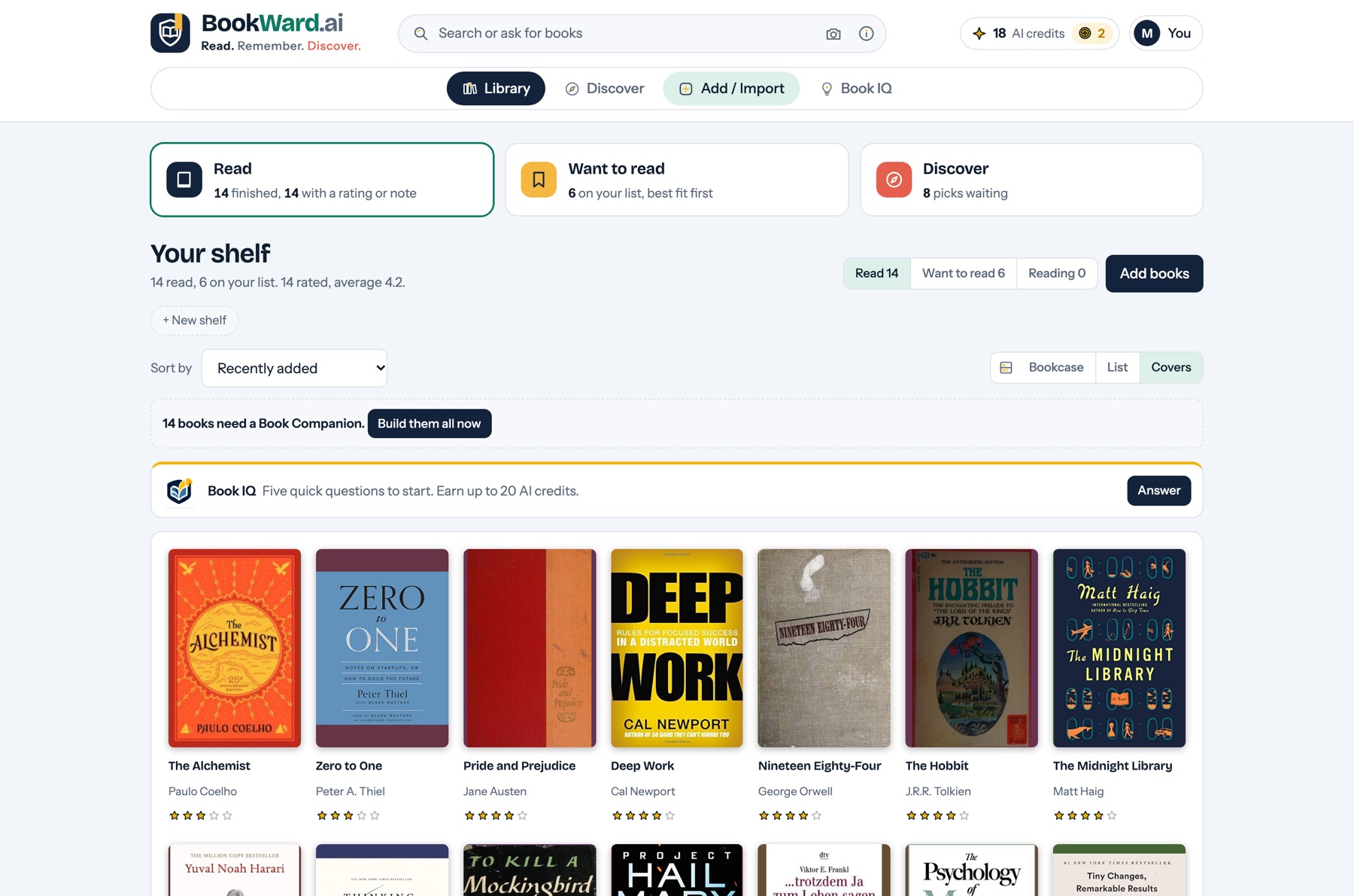
BookWard’s imports and catalog work offer a relevant product example: getting data into an application is only useful if people can trust and find what arrives. A business migration needs its own mapping, review, and acceptance checks.
See the data challenges behind BookWard →What to bring to a first conversation.
Bring a redacted example of the sheet, a description of who uses it, and the tasks that create the most friction. Avoid sharing customer or confidential data before an appropriate review arrangement is in place.
Build projects start at $10,000. We can first work out whether a focused application, an integration, or improvements to the existing setup are the sensible next step.
Understand a $15,000–$30,000 planning budget →